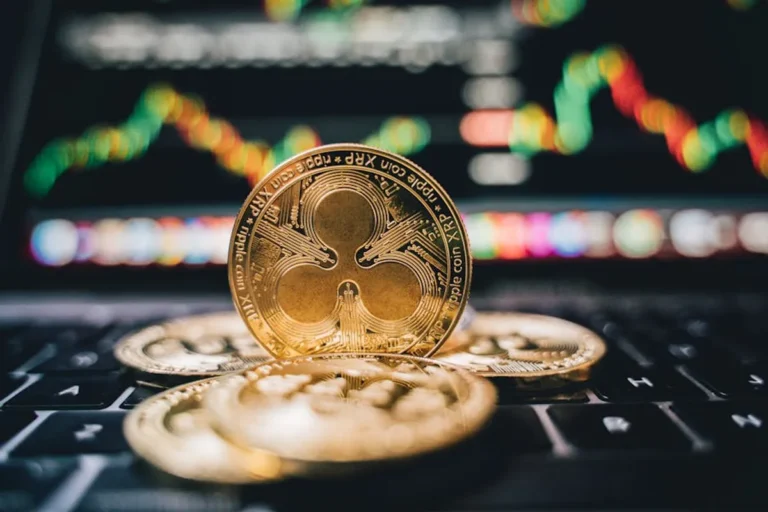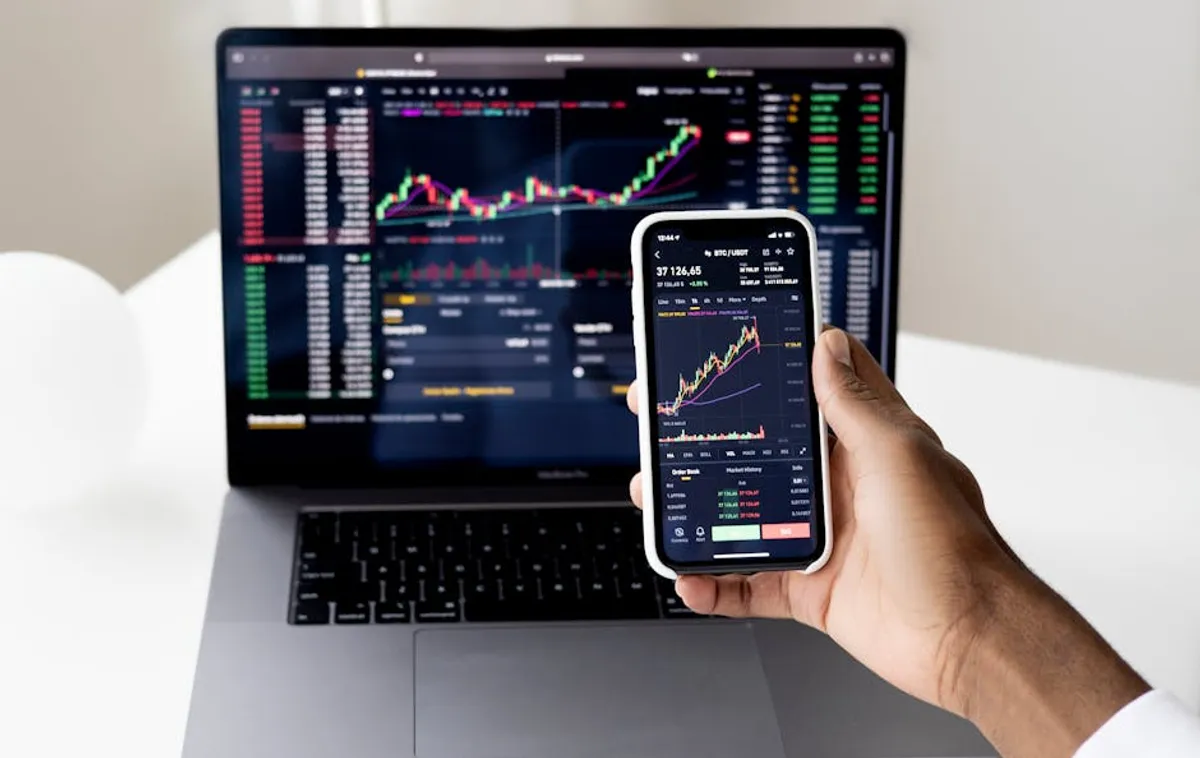
XRP, as a digital asset, presents a distinct market profile driven by its specific utility within cross-border payments and institutional liquidity. For traders and investors, understanding its price action necessitates moving beyond general cryptocurrency market sentiment to examine factors unique to its ecosystem. This involves analyzing not only broad market trends but also the specific drivers influencing its supply, demand, and regulatory standing.
XRP's Foundational Role and Market Context
XRP functions primarily as a bridge currency designed to facilitate rapid, low-cost international transactions on the XRP Ledger. Its primary adopter, Ripple Labs, promotes its use for On-Demand Liquidity (ODL) corridors, where financial institutions can use XRP to source liquidity for cross-border payments without pre-funding destination accounts. This utility-driven model differentiates XRP from many other cryptocurrencies that primarily serve as stores of value or decentralized application platforms.
The market context for XRP is heavily influenced by Ripple's business development efforts and partnerships with banks and payment providers. Adoption of ODL directly impacts the demand for XRP, as institutions need to acquire the asset to utilize the service. This institutional demand creates a different dynamic compared to purely retail-driven assets.
Drivers of XRP Price Volatility
Several distinct factors contribute to XRP's price fluctuations, requiring a nuanced approach for market participants.
Supply and Distribution Dynamics
Ripple holds a significant portion of the total XRP supply in escrow, releasing a controlled amount monthly. While designed to provide predictability, these scheduled releases and Ripple's subsequent sales or strategic allocations can influence market perception of supply. Transparency around these movements is critical for traders tracking potential supply-side pressures.
Regulatory Environment
The ongoing legal proceedings involving Ripple and the U.S. Securities and Exchange Commission (SEC) have been a dominant factor in XRP's price. Major developments, rulings, or settlement discussions in this case often trigger significant price movements. The outcome will likely define XRP's regulatory classification and its availability on exchanges within the U.S., impacting liquidity and investor confidence globally.
Technological Advancements and Partnerships
Updates to the XRP Ledger, such as new features or protocol enhancements, can signal increased utility or efficiency, potentially attracting developer and institutional interest. Furthermore, announcements of new partnerships or expanded ODL corridors by Ripple directly correlate with increased demand for XRP as a transactional asset, influencing its market value.
Broader Cryptocurrency Market Trends
Despite its unique utility, XRP does not operate in isolation. It often exhibits correlation with the broader cryptocurrency market, particularly with Bitcoin's price movements. Significant shifts in overall market sentiment, driven by macroeconomic factors, regulatory news affecting the wider crypto space, or major industry events, can still exert considerable influence on XRP's price.
Analyzing Key Market Trends for XRP
Traders monitoring XRP typically focus on a combination of quantitative and qualitative data points to identify emerging trends and potential price action.
- Trading Volume and Liquidity: High trading volumes indicate strong market interest and liquidity, making it easier to enter and exit positions without significant price impact. Spikes in volume often accompany significant price moves, confirming trend strength.
- On-Chain Metrics: While less emphasized for XRP compared to some other assets due to its institutional focus, tracking active addresses, transaction count, and the value transferred on the XRP Ledger can provide insights into network utilization and organic demand.
- Social Sentiment and News Flow: Public perception, discussions across social media platforms, and news headlines (especially concerning Ripple's legal status or partnerships) can quickly shift market sentiment and drive short-term price volatility.
- Correlation with Fiat Currencies: Given its role in cross-border payments, observing its performance against major fiat currencies, particularly those in key ODL corridors, can offer additional context.
Pro Tip for Traders: The regulatory landscape remains a primary driver for XRP's valuation. Maintain a dedicated focus on legal updates from the SEC case. Unverified rumors or speculative social media posts can cause rapid, temporary price swings. Always verify information from official sources before making trading decisions, and be prepared for increased volatility around court dates or major announcements.
Essential Metrics for XRP Traders
Professional traders employ specific analytical tools and data points to navigate the XRP market:
Technical Analysis:
- Support and Resistance Levels: Identifying historical price points where buying or selling pressure typically emerges.
- Moving Averages: Often used to determine trend direction and potential entry/exit points (e.g., 50-day, 200-day moving averages).
- Volume Profile: Analyzing trading volume at specific price levels to identify areas of strong interest or congestion.
- Relative Strength Index (RSI): An oscillator that measures the speed and change of price movements, indicating overbought or oversold conditions.
Fundamental Analysis:
- Ripple's Financial Reports and Partnerships: Evaluating the company's growth, ODL adoption rates, and strategic alliances.
- Regulatory Clarity: Monitoring global regulatory stances on XRP and digital assets in general.
- Technological Development: Assessing upgrades to the XRP Ledger and their potential impact on utility and adoption.
Market Structure Analysis:
- Order Book Depth: Examining the quantity of buy and sell orders at various price levels to gauge immediate supply and demand.
- Funding Rates (for derivatives): For perpetual futures contracts, positive or negative funding rates can indicate prevailing long or short sentiment among traders.
Navigating XRP Market Information
Successful engagement with the XRP market requires a disciplined approach to information gathering and analysis. Rely on official announcements from Ripple, court documents pertaining to the SEC case, and reputable financial news sources. Cross-referencing data points and understanding the specific context behind price movements, rather than reacting to isolated signals, is crucial for developing a robust trading or investment strategy.
Frequently Asked Questions
What is XRP primarily used for?
XRP is primarily used as a digital asset for fast, low-cost cross-border payments and as a source of on-demand liquidity for financial institutions through Ripple's ODL service.
How does the SEC lawsuit affect XRP's price?
The ongoing SEC lawsuit has introduced significant regulatory uncertainty, leading to increased price volatility and affecting XRP's availability on some U.S. exchanges. Positive or negative legal developments often trigger substantial price movements.
What are key indicators for monitoring XRP's market?
Key indicators include trading volume, on-chain metrics like transaction count, social sentiment, technical analysis patterns (support/resistance, moving averages), and fundamental news regarding Ripple's partnerships or regulatory updates.