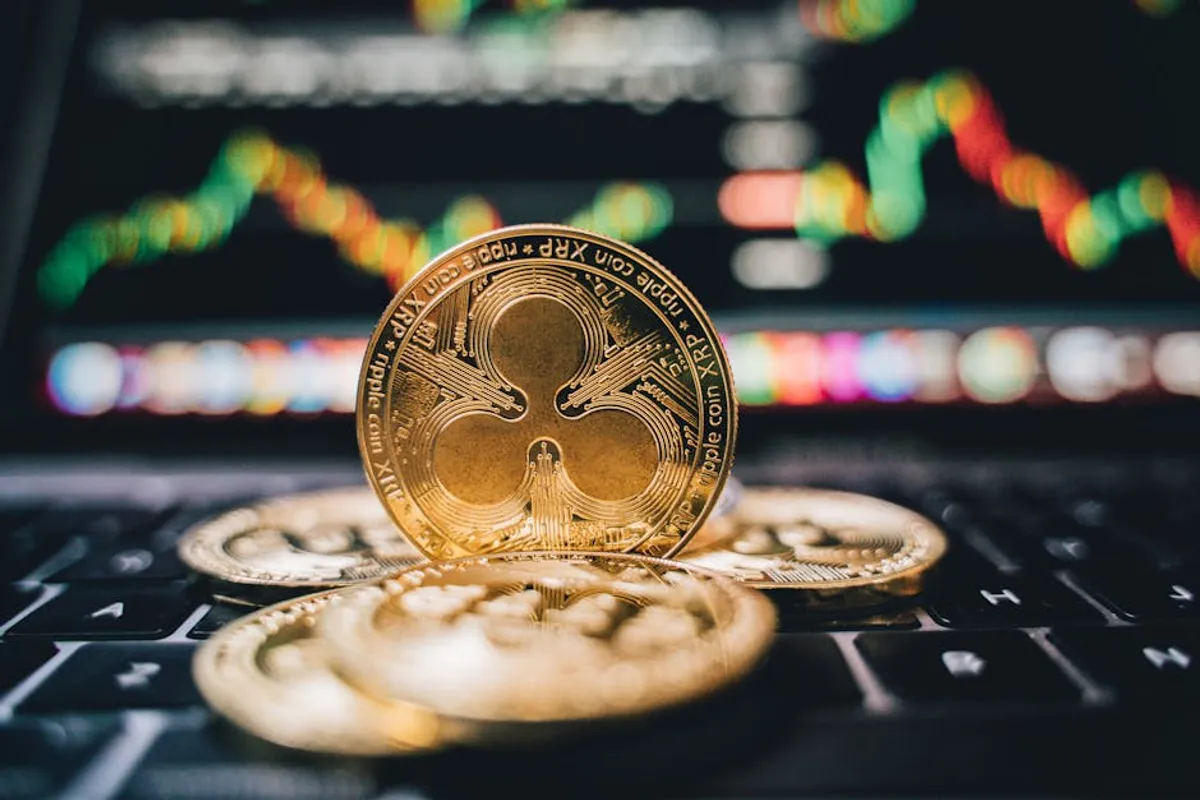
Navigating the cryptocurrency market requires a clear understanding of asset-specific dynamics, particularly for tokens like XRP that operate under unique regulatory and utility considerations. For those evaluating potential engagement with XRP, a comprehensive assessment of its market outlook, inherent risks, and established price levels is not merely advisable but essential for informed decision-making. This analysis aims to provide a structured perspective on XRP's potential price trajectory, moving beyond speculative narratives to focus on tangible drivers and technical indicators.
Understanding XRP's Market Outlook
XRP's market outlook is perpetually shaped by a confluence of factors, ranging from broader cryptocurrency trends to specific developments within the Ripple ecosystem and ongoing regulatory battles. General market sentiment, often dictated by Bitcoin's performance, provides a foundational layer. When Bitcoin experiences significant rallies or corrections, XRP typically follows, albeit with its own amplified volatility. Beyond this, macroeconomic indicators, such as inflation rates, interest rate decisions, and global economic stability, increasingly influence institutional and retail investment flows into the crypto space, directly impacting XRP's demand.
Ripple's strategic partnerships and adoption rates also serve as crucial barometers. The more financial institutions and payment providers integrate Ripple's technology, which often leverages XRP for cross-border transactions, the stronger the underlying utility case for the token. This utility-driven demand can act as a counter-balance to purely speculative trading. However, the market remains highly reactive to news, particularly concerning the ongoing legal dispute with the U.S. Securities and Exchange Commission (SEC).
Core Drivers of XRP Price Volatility
Several distinct factors exert significant influence over XRP's price movements, contributing to its characteristic volatility:
- Regulatory Developments: The most prominent driver for XRP has been the SEC lawsuit. Any legal updates, court rulings, or settlement discussions can trigger immediate and substantial price swings, reflecting market sentiment regarding XRP's classification as a security or commodity.
- Ripple's Enterprise Adoption: The success and expansion of Ripple's On-Demand Liquidity (ODL) service, which uses XRP to facilitate efficient cross-border payments, directly correlates with the token's utility and potential demand. New partnerships or expanded corridors can positively impact price.
- Overall Cryptocurrency Market Trends: As with most altcoins, XRP's price is heavily influenced by the broader market. A strong bull market for Bitcoin and Ethereum often pulls XRP upwards, while bear markets tend to exert downward pressure.
- Technological Advancements & Ecosystem Growth: Developments on the XRP Ledger (XRPL), such as new features, smart contract capabilities, or decentralized applications (dApps), can enhance its appeal and utility, attracting developers and users.
- Liquidity and Exchange Listings: The availability of XRP on major cryptocurrency exchanges globally contributes to its liquidity and accessibility. Delistings or re-listings, especially in key markets, can have immediate price implications.
Identifying Critical Price Levels
Technical analysis offers a framework for identifying potential support and resistance levels that can inform trading and investment decisions. These levels represent price points where buying or selling pressure is historically strong, potentially leading to reversals or consolidations.
Support Levels: These are price floors where a downtrend is expected to pause due to concentrated buying interest. For XRP, historical data often reveals significant support around previous accumulation zones or psychological round numbers. Identifying these levels requires analyzing past price action, particularly where large volumes were traded or where price bounced multiple times.
Resistance Levels: Conversely, resistance levels are price ceilings where an uptrend is likely to stall due to concentrated selling pressure. These can be previous swing highs, Fibonacci retracement levels, or areas where significant selling occurred. Breaking through a major resistance level often signals a continuation of an upward trend, while failing to do so can lead to a reversal.
Moving Averages: Key moving averages (e.g., 50-day, 100-day, 200-day) provide dynamic support and resistance. When XRP's price trades above these averages, it often indicates bullish momentum, while trading below them suggests bearish sentiment. Cross-overs of these averages (e.g., a "golden cross" or "death cross") are often watched for potential trend shifts.
Pro Tip: Regulatory clarity remains the single most impactful factor for XRP's long-term valuation. Monitor SEC developments closely, as court rulings often trigger significant price movements, overriding typical technical indicators in the short term.
Navigating Investment Risks in XRP
Investing in XRP, like any cryptocurrency, carries substantial risks that warrant careful consideration:
Regulatory Uncertainty: The primary risk for XRP stems from its ongoing legal status. An unfavorable outcome in the SEC lawsuit could severely impact its market perception, utility, and exchange listings, leading to significant price depreciation. Conversely, a favorable outcome could trigger a substantial rally.
Market Volatility: Cryptocurrencies are inherently volatile assets. XRP can experience rapid and unpredictable price swings due to market sentiment, news events, or broader economic shifts. This volatility presents both opportunity and significant risk of capital loss.
Competition: The digital payments and cross-border remittance sectors are highly competitive. XRP faces competition from other established cryptocurrencies, traditional financial systems, and emerging blockchain solutions, all vying for market share.
Centralization Concerns: Critics often point to the perceived centralization of XRP, given Ripple's significant holdings and influence over the XRP Ledger. While Ripple has taken steps to decentralize, these concerns can influence investor sentiment.
Strategic Considerations for XRP Engagement
For those considering XRP, a strategic approach involves more than just tracking price. It requires a commitment to ongoing research and risk management.
Due Diligence: Thoroughly research all aspects of XRP, including its technology, use cases, the Ripple company, and the specifics of its legal challenges. Understand the potential implications of various regulatory outcomes.
Risk Management: Never invest more than you can afford to lose. Consider position sizing, stop-loss orders, and portfolio diversification to mitigate potential losses from XRP's volatility and specific risks.
Long-Term vs. Short-Term Perspective: Decide whether your engagement is for short-term trading based on technical analysis and news, or a longer-term investment based on fundamental utility and adoption. Each approach requires different strategies and risk tolerances.
Stay Informed: The cryptocurrency landscape evolves rapidly. Keep abreast of Ripple's announcements, regulatory developments (especially in the US), and broader market trends. Reliable information sources are crucial.
Frequently Asked Questions
What is XRP primarily used for?
XRP is primarily designed to facilitate fast, low-cost cross-border payments and remittances, acting as a bridge currency in Ripple's On-Demand Liquidity (ODL) solution for financial institutions.
How does the SEC lawsuit affect XRP's price?
The SEC lawsuit has introduced significant regulatory uncertainty, leading to heightened price volatility. Positive legal developments often trigger rallies, while negative news can cause sharp declines, as the market reacts to the potential classification of XRP as a security.
Is XRP a good long-term investment?
Whether XRP is a good long-term investment depends on individual risk tolerance and investment goals. Its long-term potential is heavily tied to regulatory clarity, the continued adoption of Ripple's technology, and broader cryptocurrency market growth. It carries significant inherent risks.
Where can I monitor XRP's price and market data?
XRP's price and market data can be monitored on various cryptocurrency exchanges and dedicated crypto data aggregation platforms. These platforms provide real-time pricing, trading volumes, and historical charts.