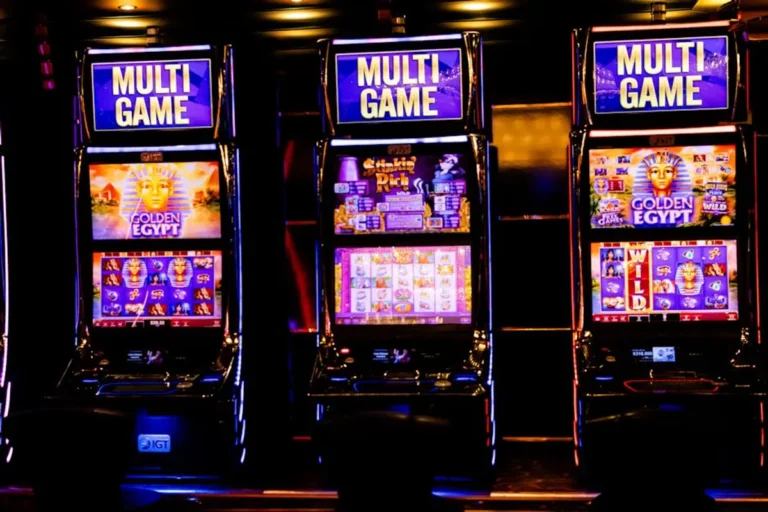
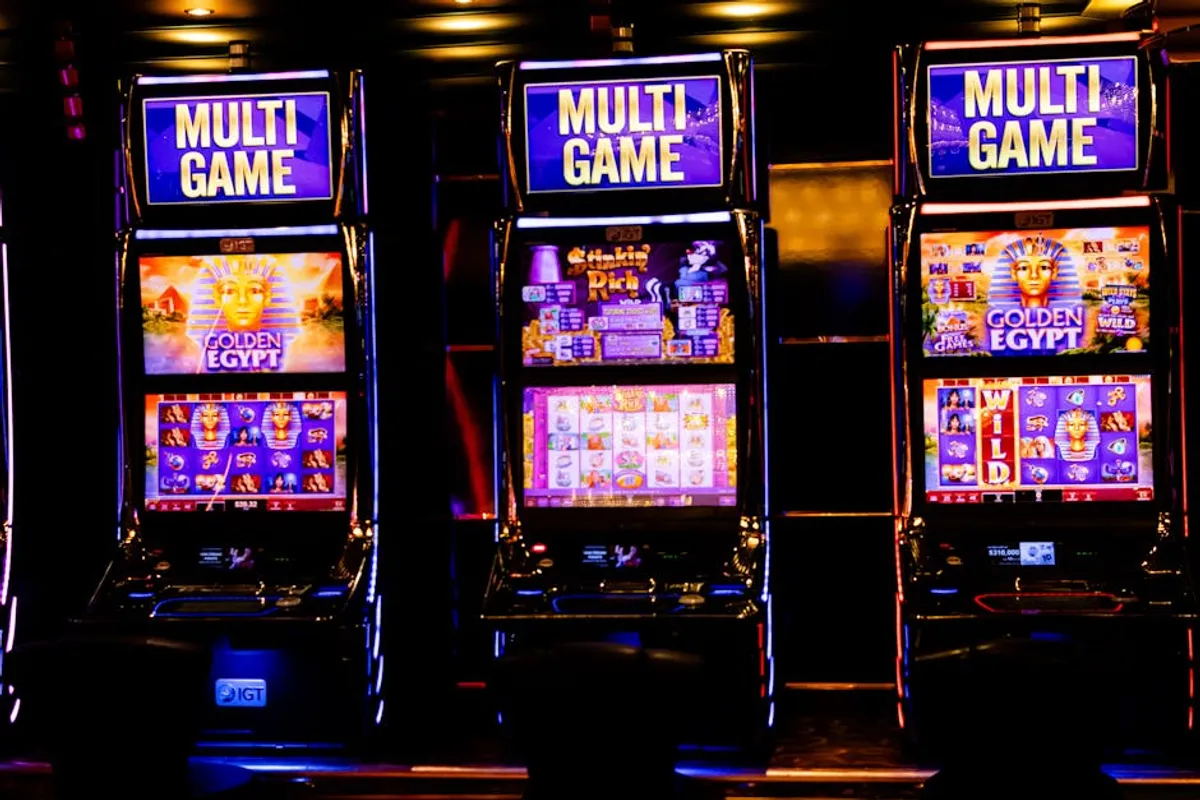
Choosing between slots and table games defines a fundamental preference in casino entertainment. This decision hinges on factors like risk tolerance, desired pace of play, and the balance between luck and strategic input. Understanding the core mechanics and player experience offered by each category is crucial for aligning your gaming choices with your personal style and expectations for engagement and potential returns.
Slots: The Appeal of Instant Gratification and Simplicity
Core Mechanics and Engagement
Slots operate on a principle of pure chance, driven by a Random Number Generator (RNG). Each spin is an independent event, disconnected from previous outcomes, ensuring unpredictability. Players engage by setting a bet size and initiating a spin, with outcomes determined instantly by symbol combinations across paylines. The engagement model is primarily sensory: vibrant graphics, diverse soundscapes, and rapid feedback loops of wins or losses. This simplicity allows for immediate play without prior knowledge of complex rules or strategies, making slots accessible to a broad audience seeking straightforward entertainment.
Volatility, RTP, and Payout Structures
Slot games are characterized by their Return to Player (RTP) percentage and volatility. RTP signifies the theoretical percentage of wagered money a slot will pay back to players over an extended period, typically ranging from 92% to 98%. Volatility, or variance, describes the frequency and size of payouts. High-volatility slots offer less frequent but larger wins, appealing to players chasing significant jackpots. Low-volatility slots provide more frequent, smaller wins, suitable for those who prefer extended play with less risk of rapid bankroll depletion. Payout structures vary from fixed paylines to 'ways to win' systems, with features like wilds, scatters, and bonus rounds adding layers of potential multipliers and free spins.
Thematic Variety and Immersive Experiences
The strength of slots lies in their unparalleled thematic diversity. From ancient civilizations and mythological sagas to pop culture references and futuristic sci-fi, there is a slot theme for every interest. This thematic depth is often coupled with intricate animations, cinematic intros, and interactive bonus games that create an immersive narrative. These elements transform simple reel spinning into a more engaging, story-driven experience, catering to players who value entertainment and escapism as much as potential monetary gains.
Table Games: Strategy, Skill, and Social Interaction
Core Mechanics and Player Agency
Table games, such as blackjack, roulette, poker variants, and baccarat, offer a distinct mechanical experience. Unlike slots, many table games incorporate elements of player agency, where decisions made during gameplay can influence the outcome. In blackjack, for instance, choices like 'hit,' 'stand,' 'double down,' or 'split' directly impact the hand's result. This decision-making component introduces a strategic layer that appeals to players who prefer to apply skill and knowledge rather than solely rely on luck. The pace is generally slower, allowing for deliberation and interaction.
House Edge and Strategic Depth
A critical differentiator for table games is the house edge, which represents the casino's statistical advantage. While still present, the house edge in many table games can be significantly reduced through optimal strategy. Blackjack, with perfect basic strategy, can have a house edge under 0.5%. Poker variants, particularly player-versus-player games, can even allow skilled players to gain an advantage over less experienced opponents. This strategic depth demands a commitment to learning rules, understanding probabilities, and often memorizing optimal plays. Players who enjoy intellectual challenge and the application of skill find this aspect highly rewarding.
Social Dynamics and Pace of Play
Table games inherently foster a more social environment. Players often sit together, interacting with dealers and sometimes with each other, sharing wins and commiserating losses. This communal aspect is a major draw for individuals who view casino gaming as a social activity. The pace of play is dictated by the dealer and the collective decisions of the players, creating a more measured and often less solitary experience compared to the rapid, individualistic nature of slot machines. Live dealer versions of these games further bridge the gap between online play and the traditional casino floor, enhancing social engagement.
Key Considerations for Choosing Your Game
Risk Tolerance and Bankroll Management
Your comfort level with risk directly influences game choice. Slots, especially high-volatility ones, can lead to rapid bankroll fluctuations. Table games, particularly those with a lower house edge and strategic elements, often allow for more controlled bankroll management over longer sessions. Assess whether you prefer the potential for large, infrequent payouts or smaller, more consistent returns that extend playtime.
Time Commitment and Pacing
Consider how much time you intend to spend playing and your preferred pace. Slots offer quick, independent rounds, ideal for short bursts of entertainment. Table games, with their slower, interactive rounds, are better suited for longer sessions where strategic thinking and social engagement are desired. If you enjoy sustained engagement and the ebb and flow of a game, table games might be more appropriate.
Entertainment Value and Personal Preference
Ultimately, the choice comes down to what you find most entertaining. Do you seek the thrill of a potentially massive jackpot and immersive themes, or do you prefer the intellectual challenge of strategy and the social dynamic of a shared table? Your personal preference for engagement style will be the most significant determinant.
- Decision-making: Slots offer minimal player input; table games require active strategic choices.
- Pace: Slots are fast-paced; table games are generally slower, allowing for deliberation.
- Social interaction: Slots are largely solitary; table games often involve interaction with dealers and other players.
- Skill vs. Luck: Slots are pure luck; table games blend luck with significant skill elements.
- Thematic variety: Slots excel in diverse themes; table games focus on established game mechanics.
Pro Tip: Before committing real money, utilize free-play or demo versions of both slots and table games. This allows you to experience the mechanics, pacing, and entertainment value without financial risk, helping you identify which style genuinely resonates with your preferences and risk appetite.
Matching Games to Your Play Style
Your ideal casino game aligns directly with your gaming personality. If you prioritize immediate excitement, vibrant themes, and the possibility of a large, random win without needing to master complex rules, slots offer a compelling experience. They are perfect for casual play, quick sessions, and those who enjoy the sensory aspects of gaming. Conversely, if you thrive on strategic thinking, enjoy applying skill to influence outcomes, and appreciate a more measured, often social, environment, table games like blackjack or poker variants will likely provide a more fulfilling engagement. Consider your bankroll management style: slots can be more volatile, while strategic table games allow for more controlled play. The most rewarding approach is to experiment with both categories to discover which type consistently delivers the entertainment and challenge you seek.
Frequently Asked Questions
Which type of game offers better odds?
Generally, certain table games like blackjack or video poker, when played with optimal strategy, offer a lower house edge (better theoretical odds for the player) compared to most slot machines. However, this relies on the player's ability to execute the correct strategy, which is not a factor in slot play.
Can skill improve my chances in casino games?
Yes, in table games such as blackjack, poker, and some video poker variants, applying optimal strategy and understanding probabilities can significantly reduce the house edge and, in some cases, even provide a long-term advantage over less skilled players (e.g., in peer-to-peer poker). Skill does not influence outcomes in pure chance games like slots or roulette.
Are live dealer games considered slots or table games?
Live dealer games are a category of table games. They replicate the experience of a physical casino table, featuring a human dealer broadcast via video stream. They involve the same rules, strategies, and social interaction as their land-based counterparts, appealing to players who enjoy table games but prefer online access.